In April last year, the Government announced plans to overhaul the way trading income is taxed. If enshrined into law – and that is looking to be highly likely – the Basis Period Reform will affect organisations or individuals with a trading income that is subject to...
Capital allowances are a useful form of tax relief for businesses that need to invest in expensive plant and machinery to operate successfully, including many farm enterprises. There are a number of different types, but they all essentially fulfil the same function –...
Traditionally, bank finance for farming businesses has been secured on the assets of the enterprise. With land often wholly owned by families and passed down the generations, this has meant those assets were enough to renew overdraft facilities or secure new lending....
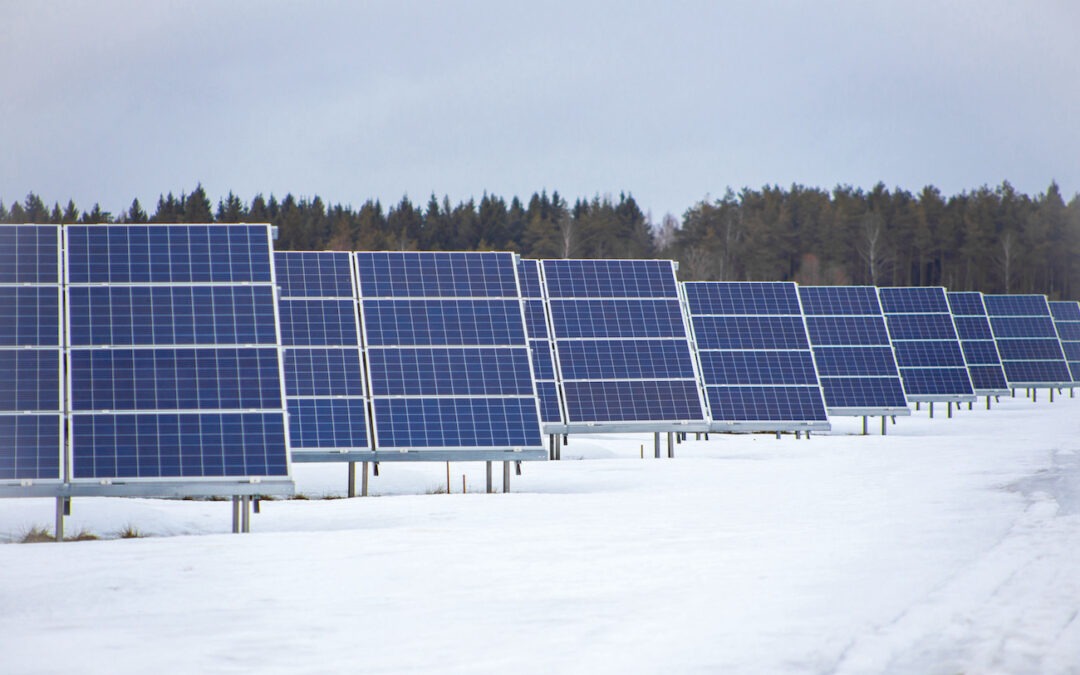
As the UK pushes towards its target of carbon net zero by 2050, the number of solar farms being developed is increasing exponentially year on year. With rents as high as £1,000 per acre, having one on your land can seem like an extremely attractive proposition for...
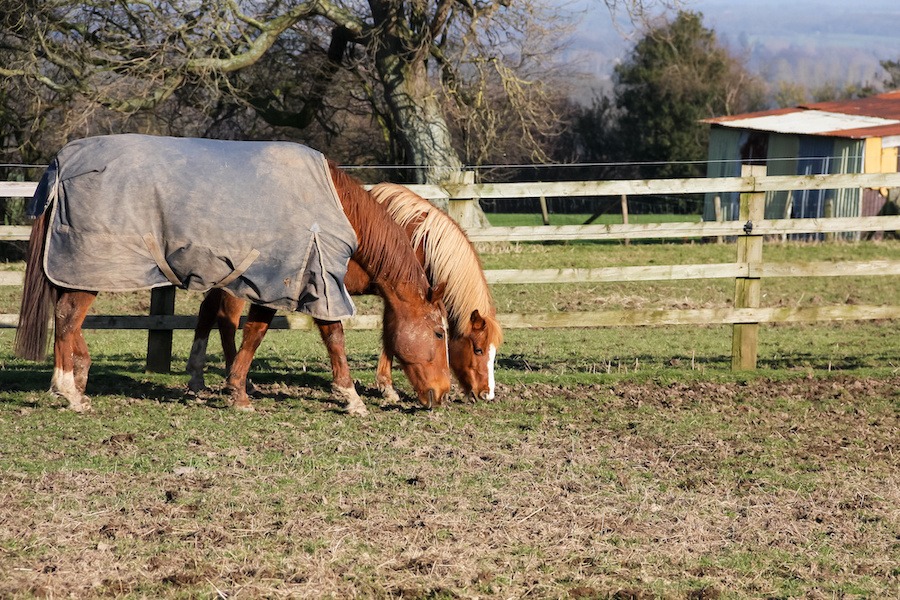
Of all the legal and property agreements entered into by farmers and landowners, the lowly grazing license might seem a long way down the list of priorities. But treating it that way is false economy. A poorly worded grazing license – one that is written without any...
The Self-Employment Income Support Scheme (SEISS) was a scheme established by the government to support people who are self-employed or a partner in a partnership agreement through the coronavirus pandemic. As a result, many farmers took advantage of the scheme during...